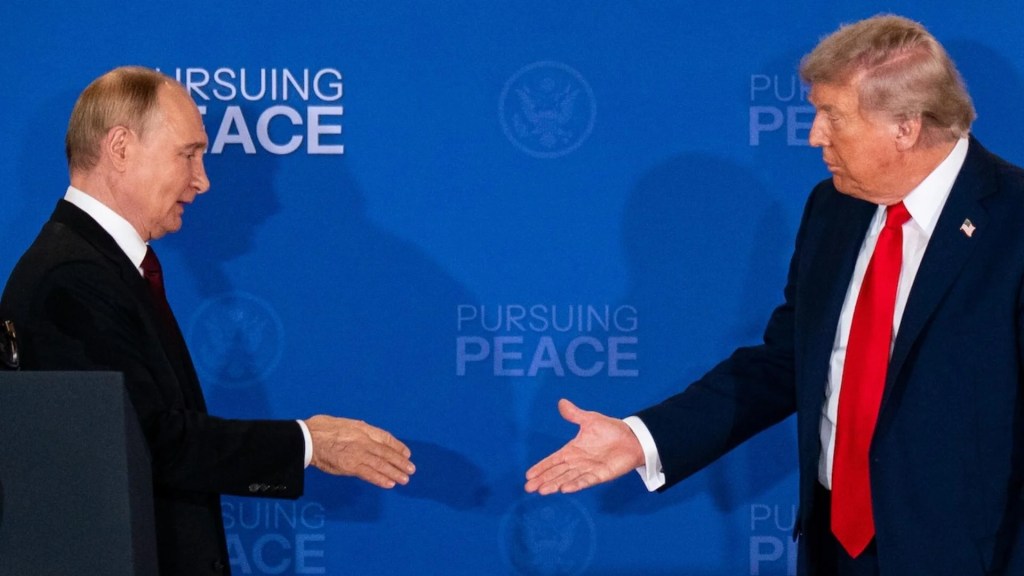
What Happened at the Trump–Putin Summit?
On August 15, 2025, U.S. President Donald Trump met with Russian President Vladimir Putin in Anchorage, Alaska. The summit ended with no ceasefire, no territorial concessions, and—most critically for markets—no clarity. Trump called it productive, but the truth is: no deal was made.
Putin showed zero flexibility. Analysts across the Atlantic Council and The Washington Post agree the meeting was more optics than outcome. And yet, the real estate world was watching—for good reason.
Why Would Real Estate Care About a Political Summit?
Because global instability doesn’t just rattle headlines—it ripples into markets.
Here’s how:
1. Mortgage Rates & Construction Costs
No peace means continued conflict. Continued conflict often means higher oil prices, material shortages, and inflation that keeps mortgage rates elevated. A true peace deal—even partial—could:
- Lower global oil prices → cheaper shipping & logistics
- Ease the cost of construction materials
- Reduce inflation pressure → possible Fed rate cuts
That’s the recipe for more affordable housing starts and better mortgage conditions. But without a deal? Don’t hold your breath.
2. Foreign Investment and Buyer Demand
Peace and stability attract capital. War and tension repel it. If the U.S. were to help broker a lasting peace—even months from now—it could trigger a wave of foreign investment, especially in tier-one cities like:
- New York
- Miami
- Los Angeles
International buyers love U.S. real estate for its security and appreciation potential. Geopolitical clarity gives them the green light to spend.
3. What If the Tensions Drag On?
If the war continues, brace for:
- Construction cost inflation: Tariffs, delays, and raw material scarcity can squeeze profit margins and slow down new builds.
- Investor hesitation: Volatility breeds fear. Expect slower movement from institutional and international players.
- Luxury market distortions: Paradoxically, some high-net-worth buyers will move toward U.S. luxury real estate, viewing it as a safe-haven asset.
According to Ken McElroy and The New York Post, ultra-wealthy Russian and European buyers are already returning to the U.S. luxury scene—especially Manhattan—quietly moving their money into tangible, secure assets.
4. Will the Market React Right Away?
No. Despite the hype, this summit ended in a stalemate. Until we see something concrete—like a ceasefire, policy shift, or significant economic ripple—don’t expect immediate changes in mortgage rates, inventory, or buyer urgency.
The Fed is still watching inflation. Builders are still managing costs. Buyers are still battling rates. Nothing flipped overnight.
Quick Summary: What It Means for Real Estate
| Area | Key Insight |
|---|---|
| Political Outcome | No deal. Tensions remain. |
| Real-Estate Risk | Conflict = volatility. Tariffs and delays can raise building and financing costs. |
| Potential Upside | Peace = cheaper materials, rate relief, and new investor flows. |
| Luxury Segment | High-end homes remain a safe haven for global wealth. |
| Immediate Market Move | No shift yet—stay alert, not alarmed. |
Bottom Line
As a Realtor, I watch global headlines not for drama—but for signals. This summit didn’t deliver a breakthrough, but it confirmed one thing: international events do shape our markets.
Whether you’re a buyer, seller, or investor, geopolitical news is more than background noise. It’s part of the landscape. Stay informed. Stay nimble. And don’t underestimate the next headline.
Need help navigating the market during uncertain times? Let’s talk strategy.
 The Local Look by Jason
Leave a comment